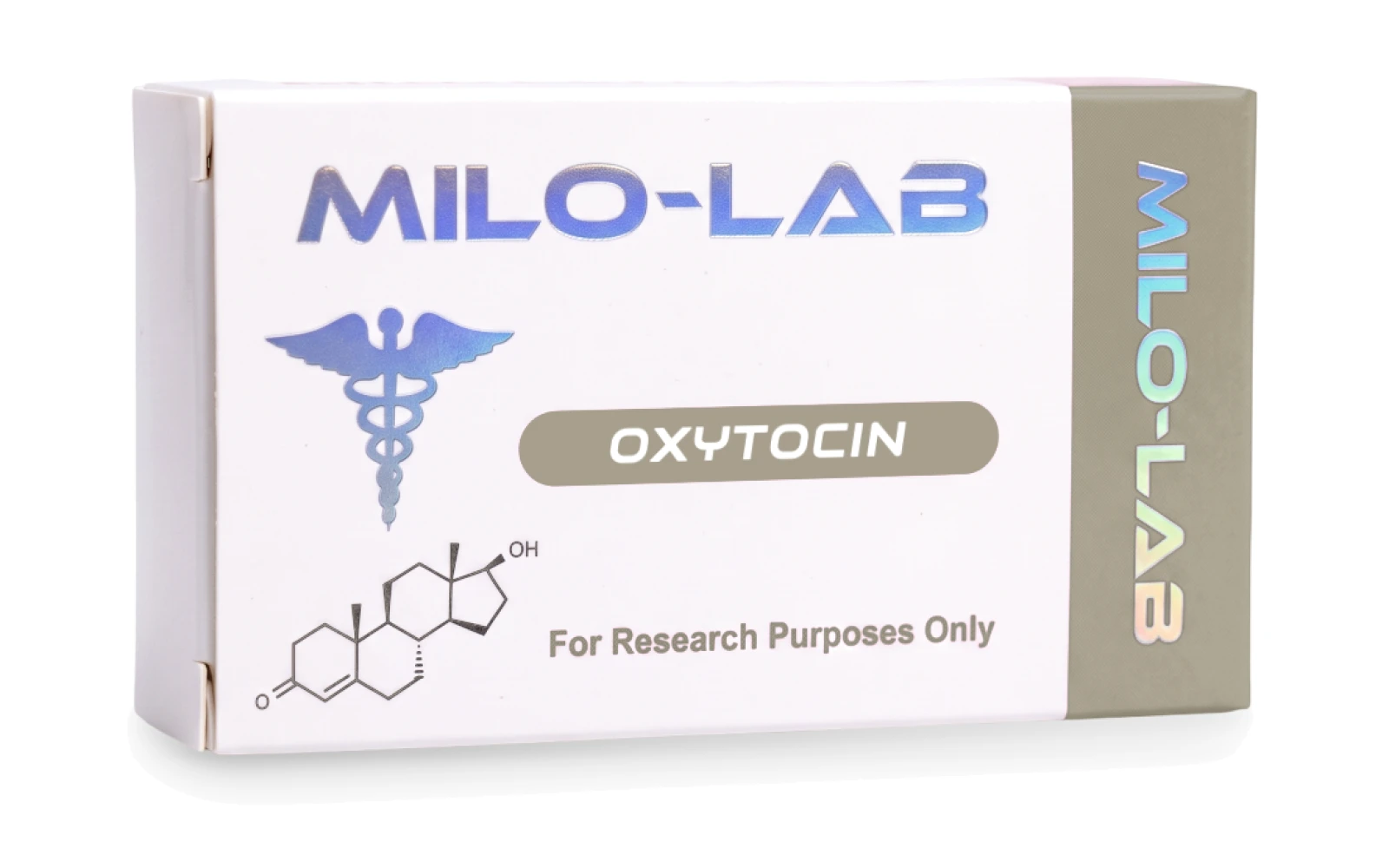
Oxytocin
Oxytocin is a 9-amino-acid hypothalamic neuropeptide and oxytocin-receptor agonist.
1 vial · 2 mg total
Checking availability…
Total Price
฿1100


 & more more: Bancontact, Open Banking, Cash App, Afterpay, more coinsCrypto −5%Encrypted checkout
For research & laboratory use only. Not for human consumption.
Shipping: free within Thailand, ฿700 worldwide. Added at checkout. Delivery times & countries
Half-Life
~1-6 minutes (plasma)
Oxytocin Receptor Agonist
Nine-amino-acid cyclic neuropeptide with a disulfide bridge
Gq-Coupled Receptor
Signals through phospholipase C and intracellular calcium
Hypothalamic Neuropeptide
Produced in the paraventricular and supraoptic nuclei
Mechanism of Action
Structure
Oxytocin is a nine-amino-acid cyclic neuropeptide (Cys-Tyr-Ile-Gln-Asn-Cys-Pro-Leu-Gly-NH2) with a disulfide bridge between the cysteine residues at positions 1 and 6. It is produced in the paraventricular and supraoptic nuclei of the hypothalamus and has a molecular mass of roughly 1007 Da.
Oxytocin Receptor Distribution
The oxytocin receptor (OTR) is a Gq-coupled GPCR signalling through phospholipase C and intracellular calcium. It is expressed in:
Limbic system:
- Amygdala (basolateral and central nuclei)
- Hippocampus
- Nucleus accumbens
Hypothalamus:
- PVN (autoreceptor function)
- Lateral hypothalamus
Brainstem:
- Locus coeruleus
- Dorsal raphe
Pharmacokinetic Notes
Peripheral oxytocin crosses the blood-brain barrier poorly, which is why central and peripheral compartments are studied separately. The plasma half-life is short, reflecting rapid enzymatic degradation by oxytocinase and renal clearance.
Storage
Lyophilised vials: store at -20°C, protected from light.
For research purposes only. Not for human consumption.
Product FAQs
Related Products
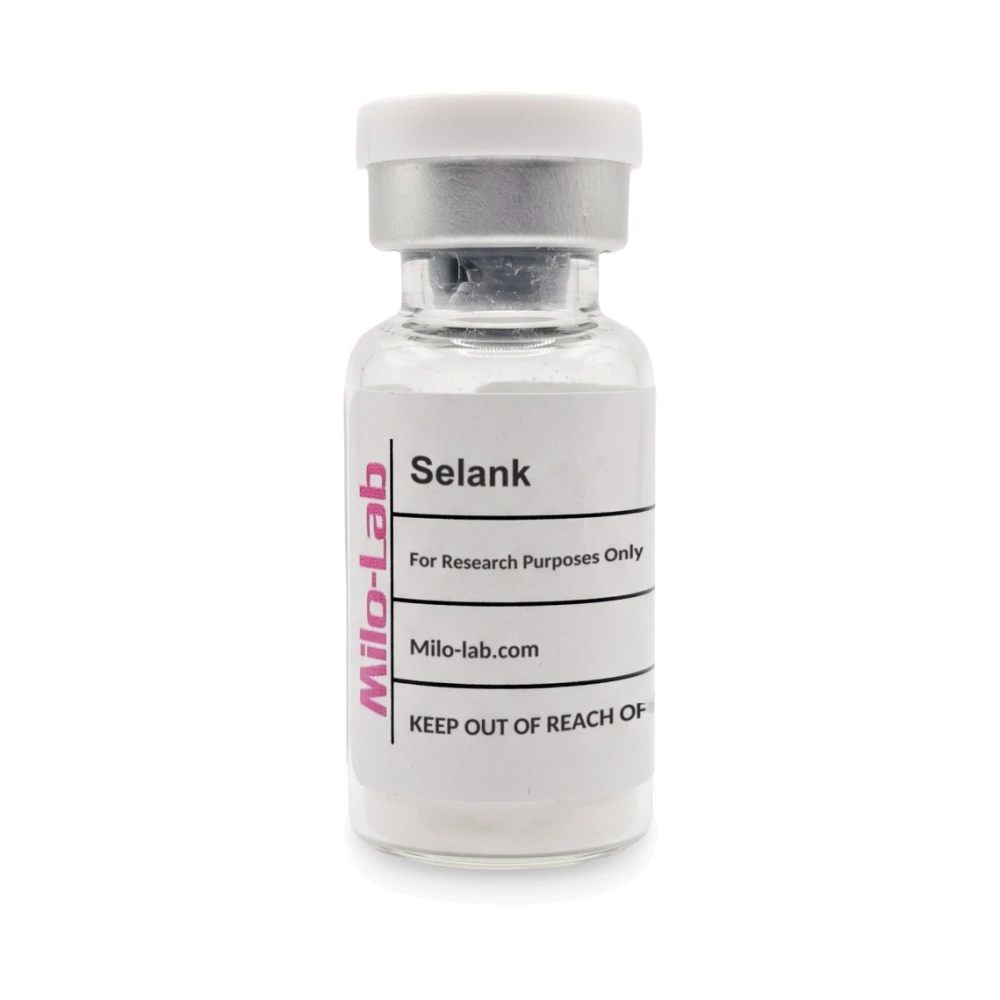
Selank
Selank is a synthetic heptapeptide (Thr-Lys-Pro-Arg-Pro-Gly-Pro), a stabilised tuftsin analogue, studied for GABAergic modulation and BDNF expression.
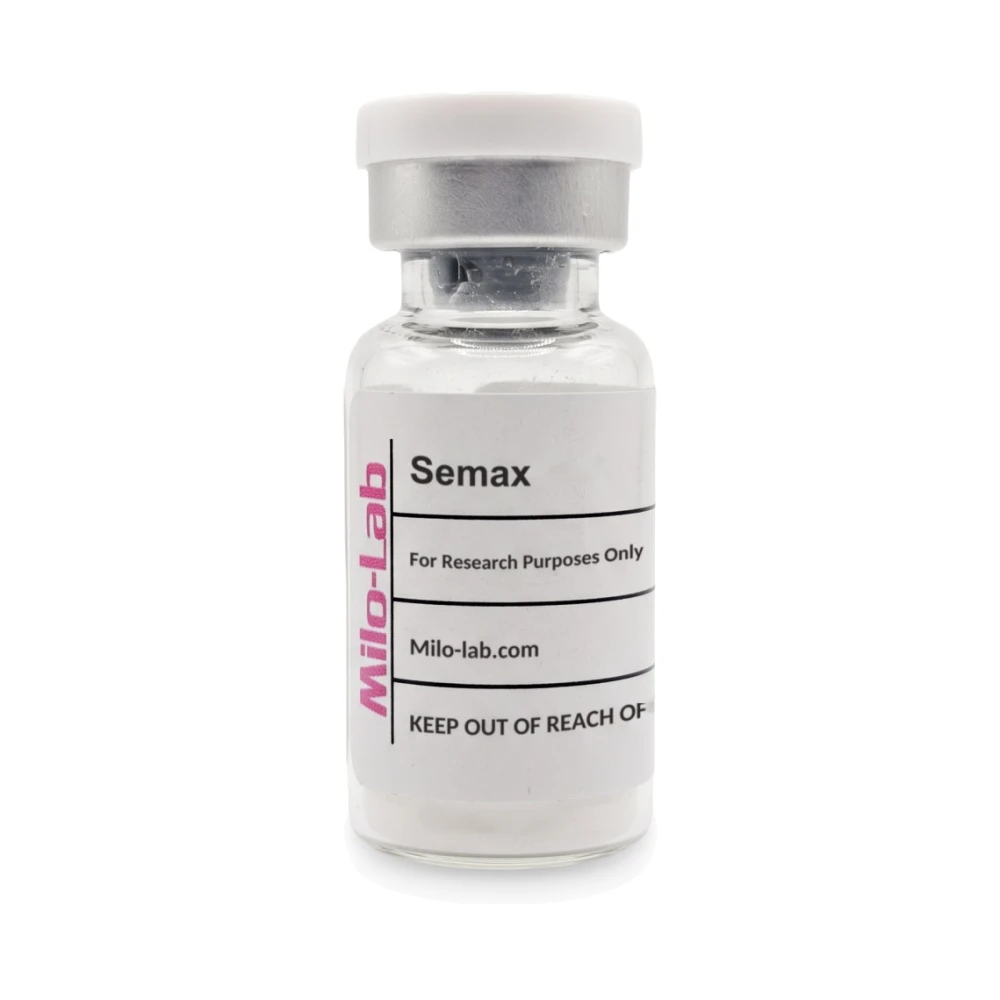
Semax
Semax is a synthetic heptapeptide (Met-Glu-His-Phe-Pro-Gly-Pro) built on the ACTH(4-7) fragment, studied for BDNF and NGF expression in laboratory models.
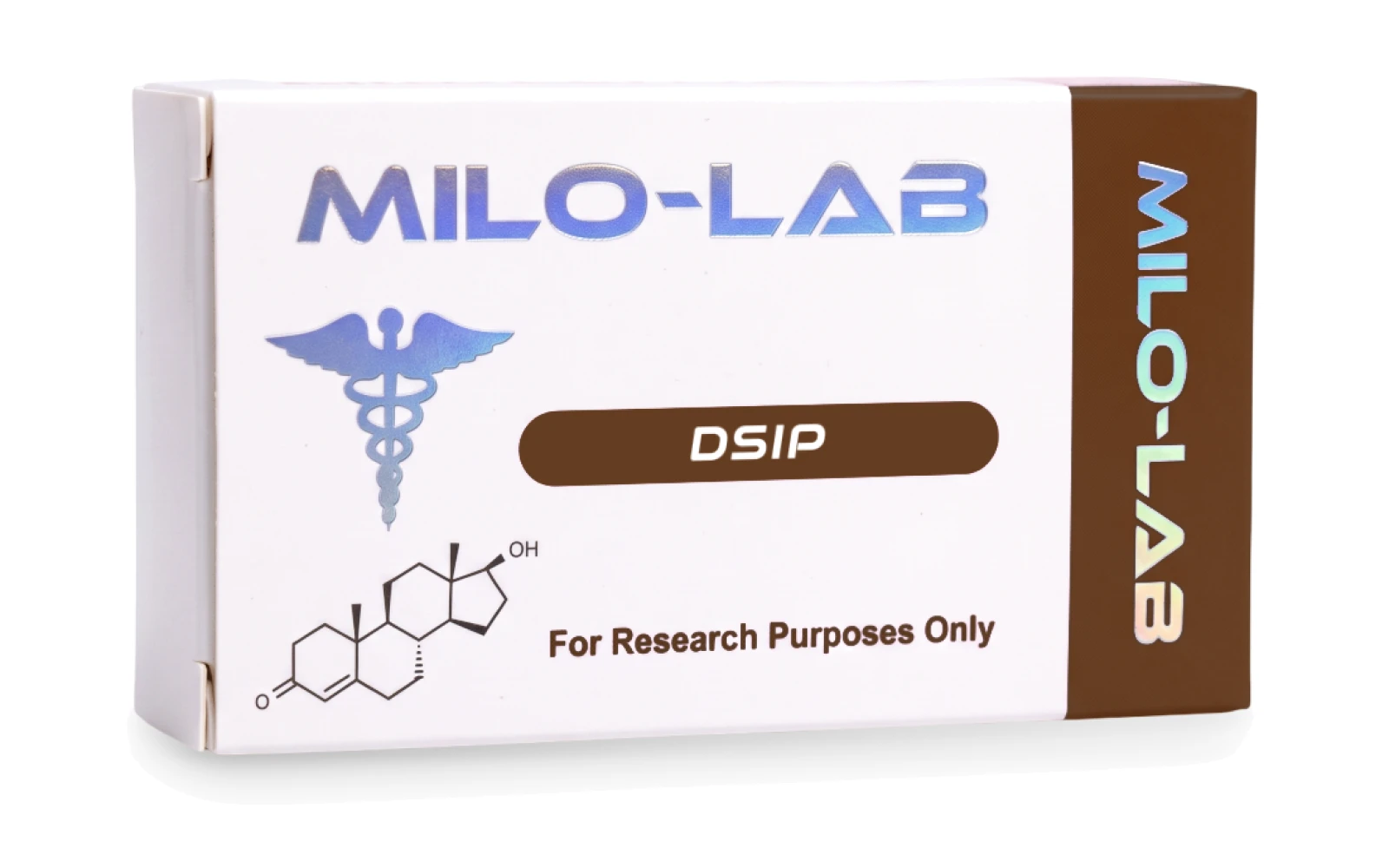
DSIP
DSIP is an endogenous nonapeptide (Trp-Ala-Gly-Gly-Asp-Ala-Ser-Gly-Glu), studied in hypothalamic-pituitary-adrenal (HPA) axis and neuroendocrine research.
Research Tools