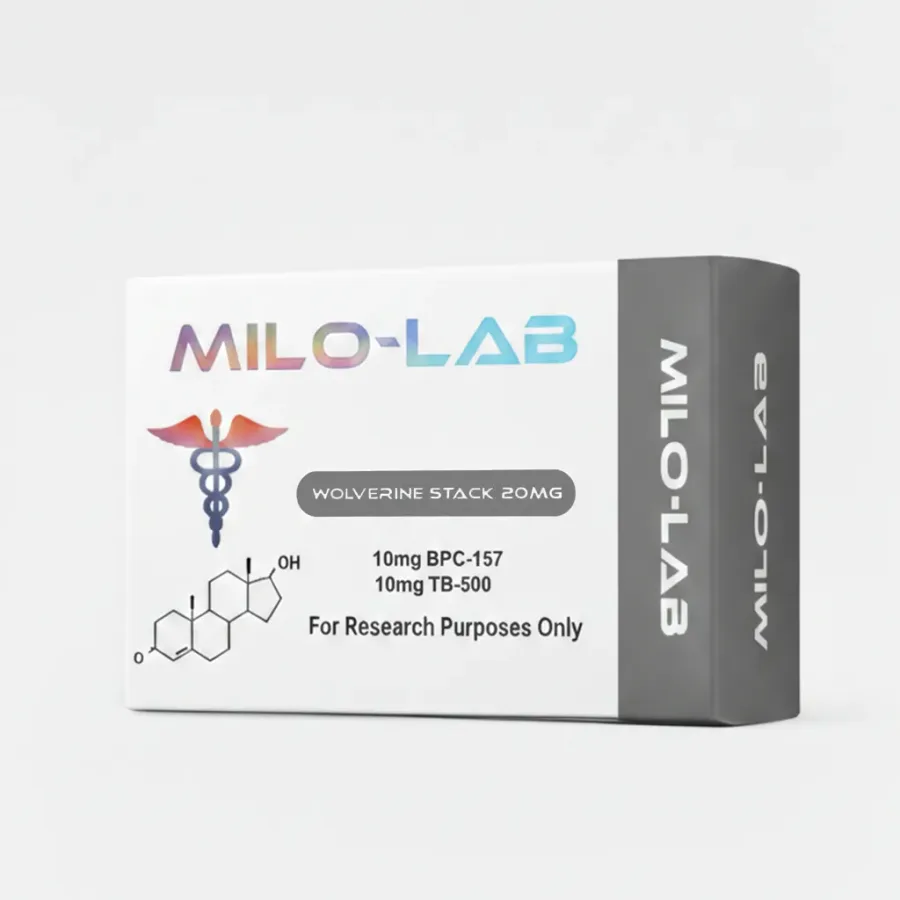
Wolverine Stack
Wolverine Stack pairs BPC-157 and TB-500 (Thymosin Beta-4) in one recovery kit, combining local angiogenesis with systemic cell mobilisation for tissue repair.
Total Price
฿2700
Prefer Revolut, Wise or PayPal?
For research & laboratory use only. Not for human consumption.
Shipping: free within Thailand, ฿700 worldwide. Added at checkout. Delivery times & countries
Half-Life
BPC-157: ~4h; TB-500: ~8-10 days
Administration Route
Subcutaneous injection
Complete Repair Stack
BPC-157 + TB-500 cover local & systemic tissue healing
Anti-Inflammatory Synergy
Dual COX-2 and TNF-α suppression for faster recovery
Joint & Tendon Protocol
Most researched peptide combination for musculoskeletal repair
Mechanism of Action
Why Researchers Choose BPC-157 and TB-500
The Wolverine Stack exists because tissue repair is not a single event but a sequence of overlapping phases, and no single peptide covers all of them well:
- Inflammation and vascular response (0-72h): new blood vessels form and fibroblasts activate
- Proliferative phase (3-21 days): collagen is deposited and the repair matrix takes shape
- Remodelling (weeks to months): the matrix matures and scar tissue reorganises
BPC-157 and TB-500 contribute to different parts of this process, which is the reasoning behind pairing them:
| Mechanism | BPC-157 | TB-500 |
|---|---|---|
| New blood vessel formation | VEGF upregulation | MMP-2, VEGF |
| Cell migration speed | FAK-paxillin | Actin sequestration |
| Fibroblast activation | Direct | Indirect |
| Systemic mobilisation | Limited | Strong |
| Half-life | 4 hours | 8-10 days |
| Optimal route | Near injury site | Systemic |
Put simply, BPC-157 drives local vascular and fibroblast activation while TB-500 recruits repair cells system-wide, so the stack closes gaps that neither compound covers well on its own.
Research Applications
The Wolverine Stack is studied wherever broad musculoskeletal recovery and tissue repair are the focus:
- Musculoskeletal injuries such as tendons, ligaments and muscle tears
- Post-surgical and wound-healing research
- Gastrointestinal mucosal repair, driven mainly by the BPC-157 component
- Cardiac tissue recovery, driven mainly by the TB-500 component
- Joint and tendon protocols where local and systemic healing both matter
Reconstitution and Storage
Reconstitution: reconstitute each peptide separately with bacteriostatic water; swirl gently until fully dissolved, do not shake. The two can then be drawn into one syringe for a combined subcutaneous injection. After reconstitution: keep refrigerated, protect from direct light, and use within 28 days.
Kit Contents
Each 20mg Wolverine Stack kit contains one vial of BPC-157 and one vial of TB-500 in matching quantities. Bacteriostatic water for reconstitution is sold separately (Bacteriostatic Water 30ml).
For research purposes only. Not for human consumption.
Dosing at a Glance
Route
Subcutaneous injection
Frequency
Once daily
Typical research dose
250–500 mcg
Opens the calculator with this peptide preselected. Research reference only.
Product FAQs
Stacks Well With
Ipamorelin
Ipamorelin is a selective pentapeptide growth hormone secretagogue (GHRP) that triggers clean, pulsatile GH release without spiking cortisol or prolactin.
GHK-Cu
GHK-Cu (glycyl-L-histidyl-L-lysine) is a naturally occurring copper-binding tripeptide that drives collagen synthesis, skin repair and wound healing.
Related Products
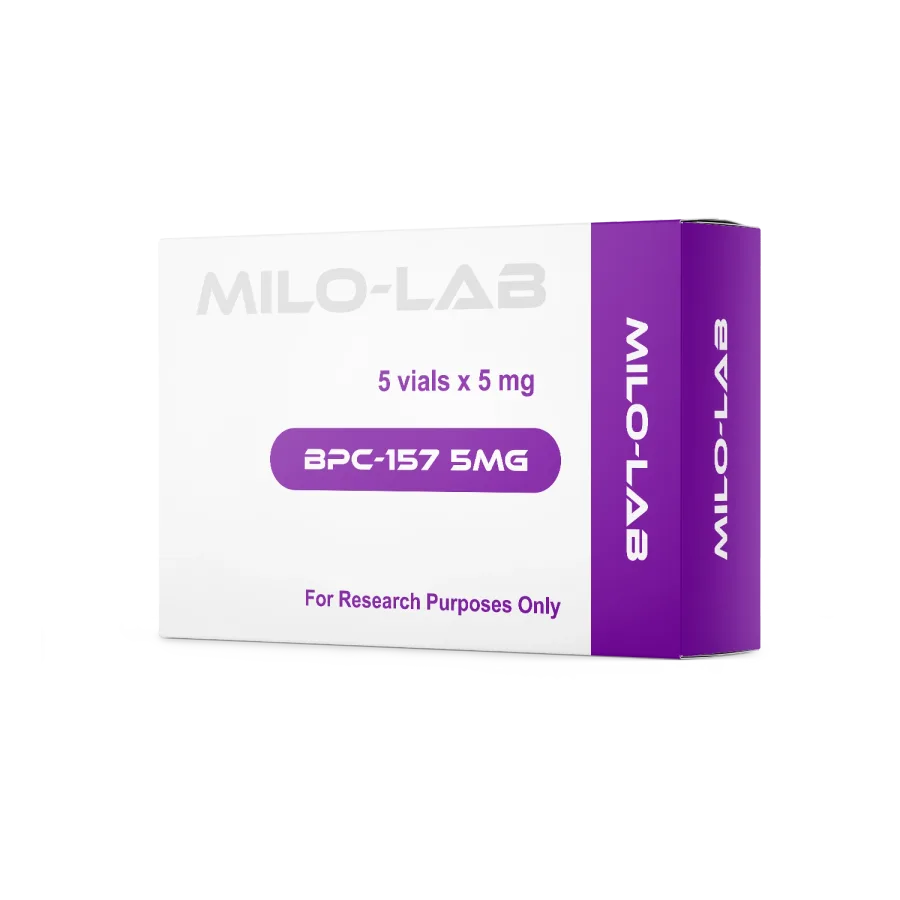
BPC-157
BPC-157 (Body Protective Compound) is a stable pentadecapeptide derived from human gastric juice, researched for tendon, gut and tissue repair.
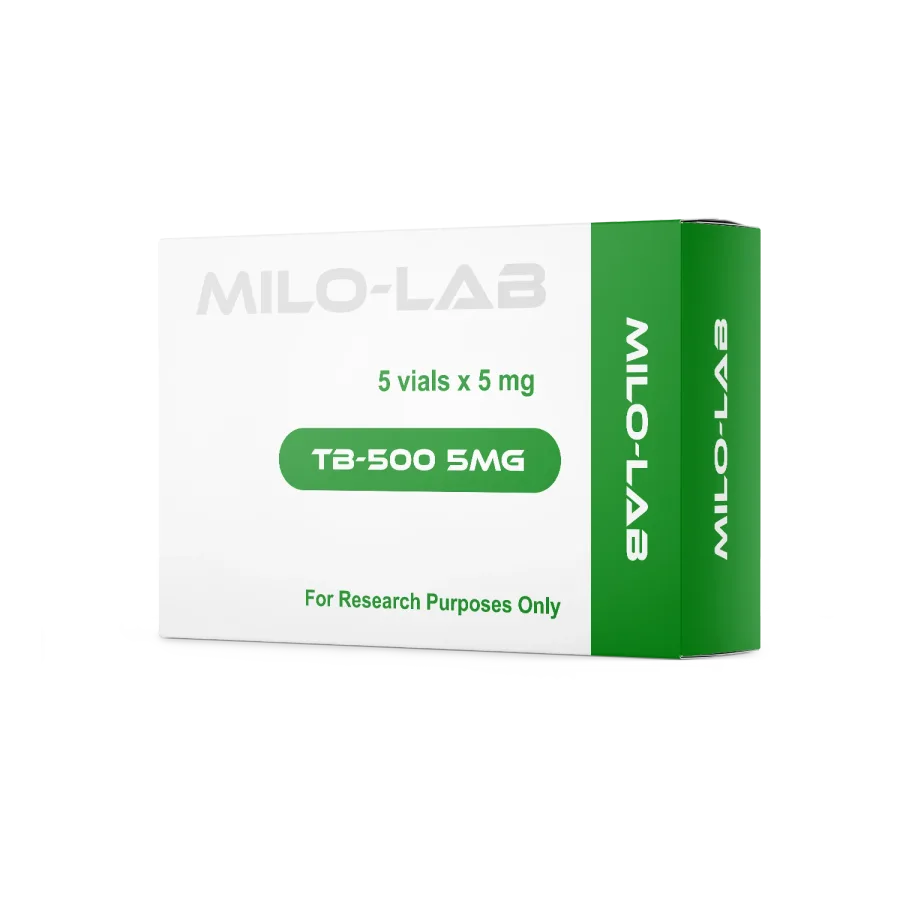
TB-500
TB-500 is a synthetic Thymosin Beta-4 fragment, a regenerative research peptide that drives systemic tissue repair via actin regulation.
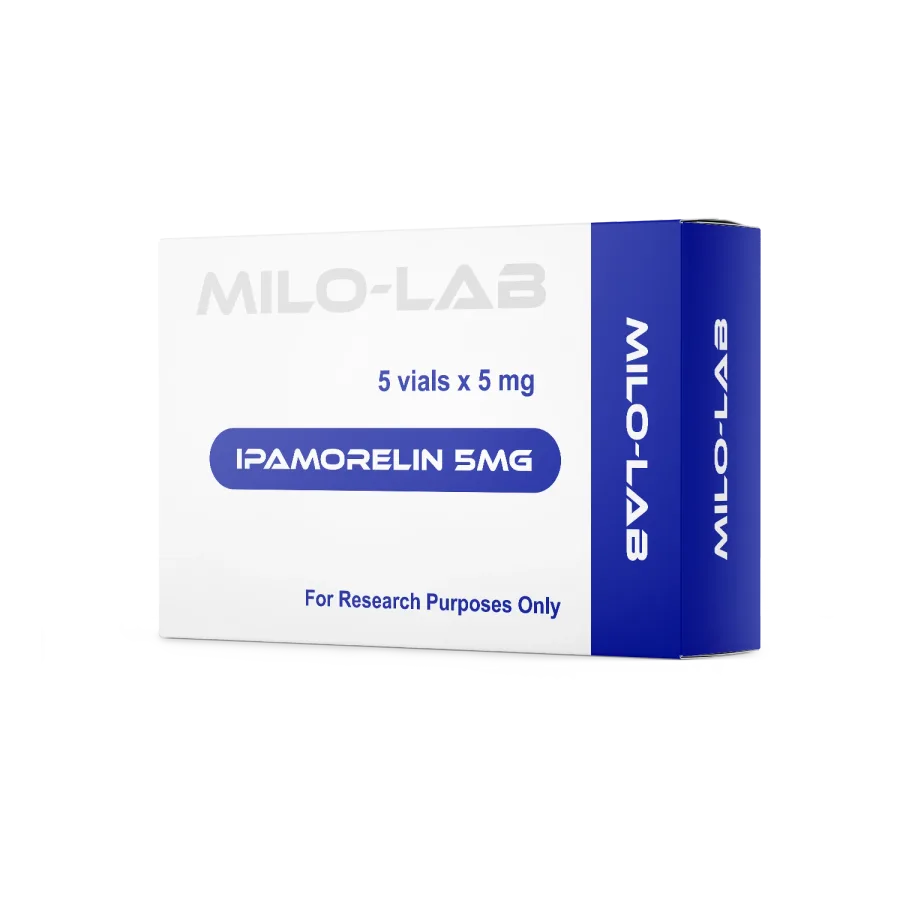
Ipamorelin
Ipamorelin is a selective pentapeptide growth hormone secretagogue (GHRP) that triggers clean, pulsatile GH release without spiking cortisol or prolactin.