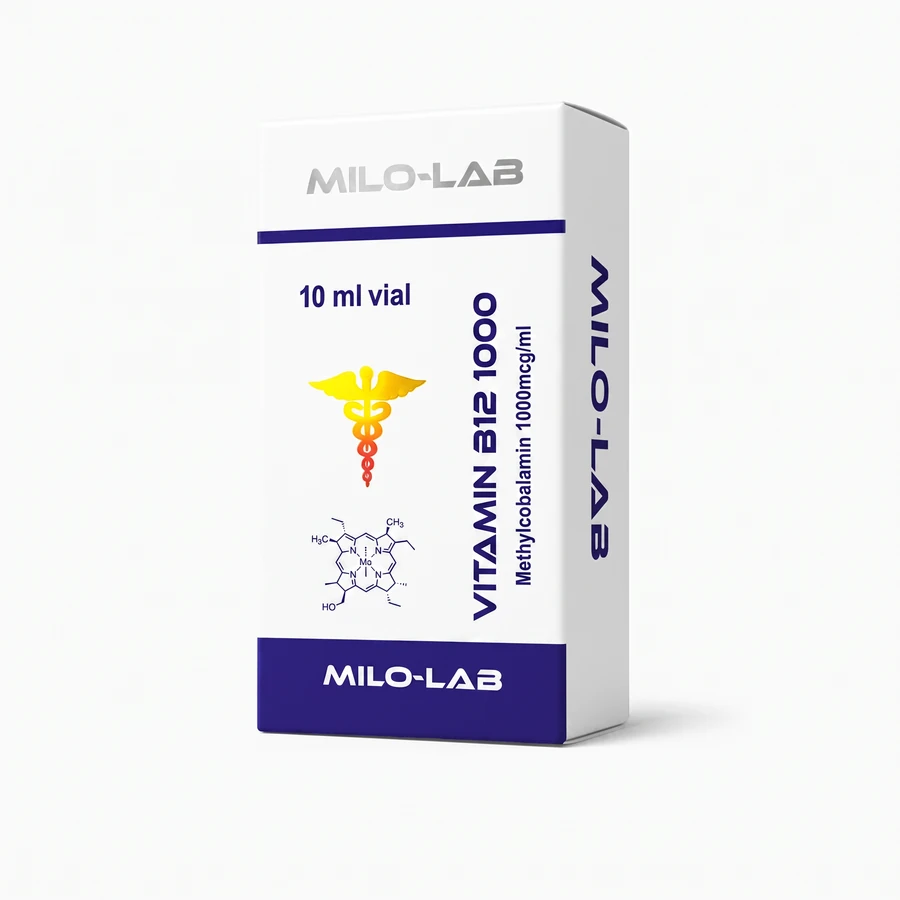
Vitamin B12 1000
Methylcobalamin, the bioactive form of vitamin B12 (1000mcg/ml, 10ml vial), for energy metabolism, nerve and myelin health, and red blood cell formation.
Total Price
฿900
Prefer Revolut, Wise or PayPal?
For research & laboratory use only. Not for human consumption.
Shipping: free within Thailand, ฿700 worldwide. Added at checkout. Delivery times & countries
Administration Route
Intramuscular or subcutaneous injection
Energy Metabolism
Cofactor for mitochondrial methylmalonyl-CoA mutase and ATP-linked pathways
Nerve & Myelin Support
Required to build and maintain the myelin sheath around nerve fibres
Red Blood Cell Formation
Essential for red blood cell maturation and homocysteine recycling
Mechanism of Action
Scientific Research
Why Methylcobalamin B12
Vitamin B12 is one of the few nutrients the body cannot synthesise and cannot store efficiently once absorption fails. Milo-Lab supplies it as methylcobalamin, the active coenzyme form, at 1000mcg/ml in a 10ml multi-dose vial. Because the injectable route bypasses the intrinsic-factor absorption bottleneck in the gut, it is the reliable way to restore or study B12 status where oral supplements fall short.
What B12 Does
- Energy metabolism via mitochondrial methylmalonyl-CoA mutase
- Methylation and homocysteine recycling via methionine synthase
- Red blood cell maturation in the bone marrow
- Formation and maintenance of the nerve myelin sheath
- DNA and neurotransmitter synthesis (methyl-group supply)
How B12 Works
B12 acts as a cofactor for two enzymes. As methylcobalamin it powers methionine synthase, converting homocysteine back to methionine and feeding the methyl groups used in DNA, RNA and neurotransmitter synthesis. As adenosylcobalamin it powers methylmalonyl-CoA mutase in the mitochondria, a step that channels odd-chain fatty acids and branched-chain amino acids into the citric-acid cycle for energy production. Both roles explain the classic signs of low B12: fatigue and megaloblastic anaemia when red-cell production stalls, and peripheral neuropathy when the myelin sheath is not maintained. Delivered by injection, methylcobalamin reaches circulation directly and is used by the cell without a prior conversion step.
Storage and Handling
Storage: keep refrigerated at 2–8°C and protect from light — B12 is light-sensitive. Do not freeze. Use: supplied ready-to-use, no reconstitution needed. Draw each dose with a sterile needle and return the vial to the fridge between uses.
Product FAQs
Stacks Well With
Related Products
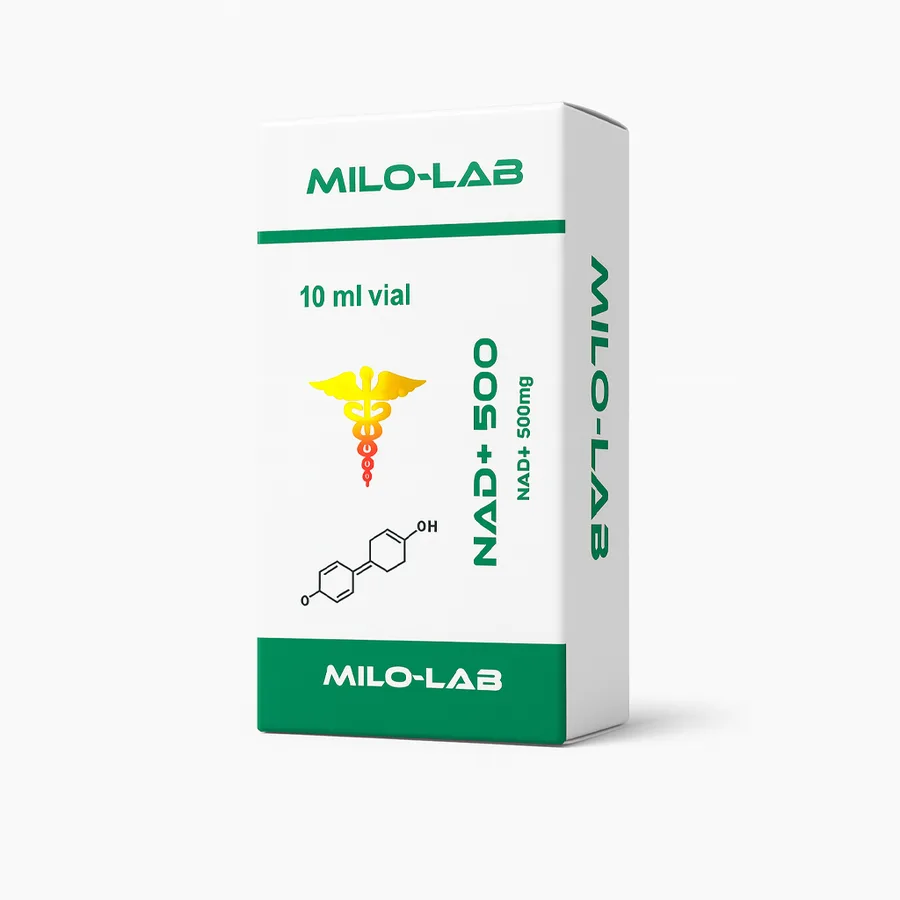
NAD+
NAD+ (nicotinamide adenine dinucleotide) is the central redox coenzyme and sirtuin substrate used in cellular energy, DNA repair and anti-aging research.
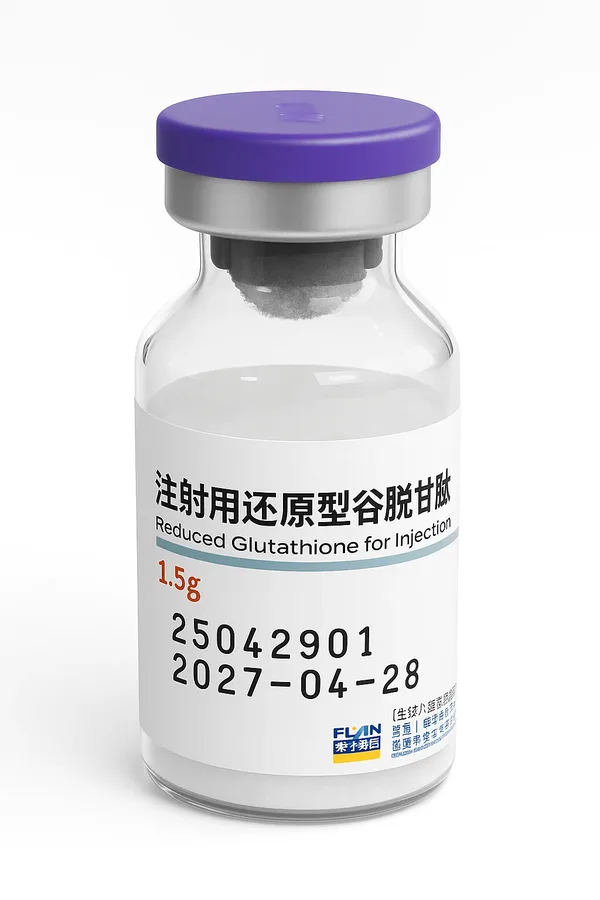
Glutathione
Glutathione (GSH) is the body's master tripeptide antioxidant, supporting cellular detoxification, skin brightening and immune defence against oxidative stress.