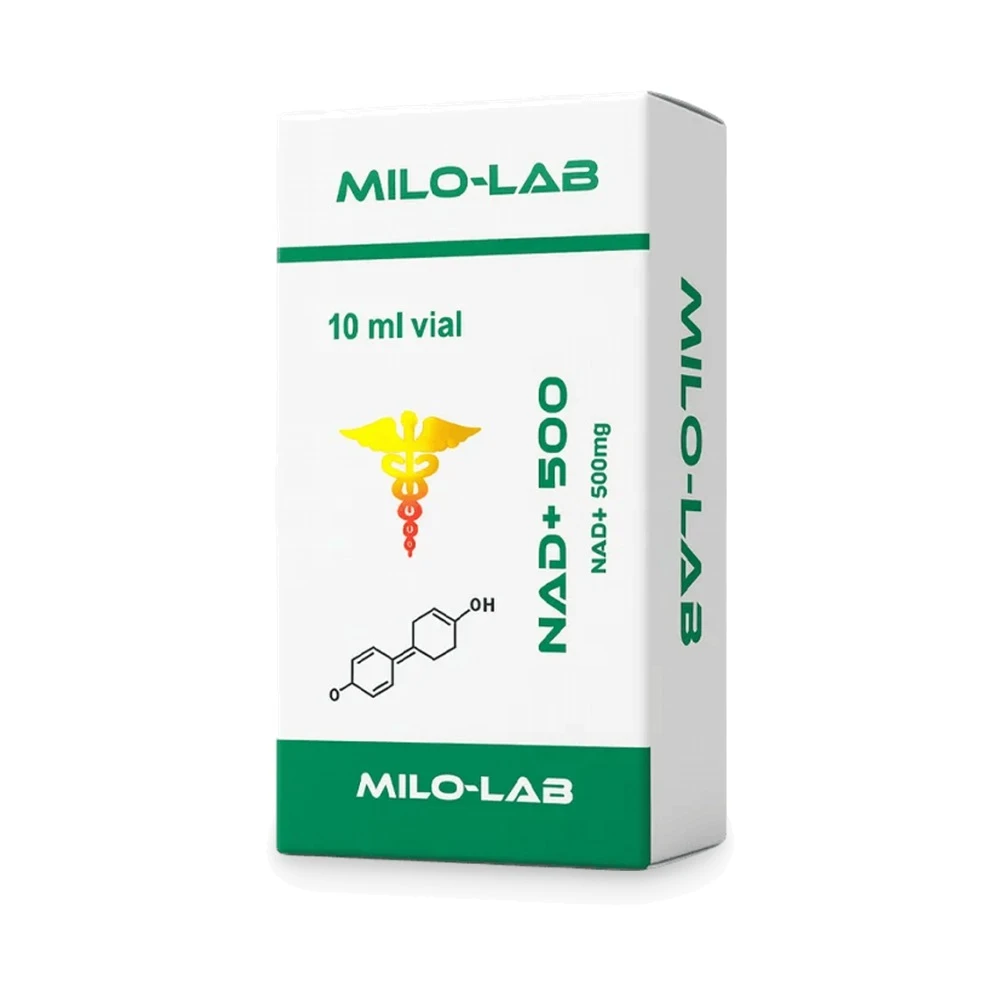
NAD+
NAD+ (nicotinamide adenine dinucleotide) is the central redox coenzyme and a substrate for sirtuin and PARP enzymes. Research compound.
1 vial · 500 mg total
Checking availability…
Total Price
฿2400


 & more more: Bancontact, Open Banking, Cash App, Afterpay, more coinsCrypto −5%Encrypted checkout
For research & laboratory use only. Not for human consumption.
Shipping: free within Thailand, ฿700 worldwide. Added at checkout. Delivery times & countries
Sirtuin Substrate
Substrate for SIRT1/3/5 in epigenetic and metabolic pathways
PARP Cofactor
Essential cofactor for poly(ADP-ribose) polymerase
Redox Coenzyme
Electron carrier in the mitochondrial transport chain
Mechanism of Action
Scientific Research
Nature Reviews Molecular Cell Biology (2021)
What NAD+ Is
NAD+ (nicotinamide adenine dinucleotide) is the coenzyme that sits at the centre of cellular redox metabolism and DNA-repair signalling. It is studied wherever mitochondrial function, sirtuin biology and PARP-dependent DNA repair intersect:
- Sirtuin activity and epigenetic regulation studies
- Mitochondrial biogenesis and respiration research
- PARP-dependent DNA damage repair assays
- Metabolic flexibility and substrate oxidation studies
- Inflammatory pathway research (NF-kB, CD38 activity)
How NAD+ Works
NAD+ cycles between its oxidised (NAD+) and reduced (NADH) forms to shuttle electrons through the mitochondrial electron transport chain, the process that ultimately generates ATP. The same molecule is the obligatory substrate for two families of enzymes: sirtuins (SIRT1, SIRT3, SIRT6), which govern epigenetic regulation, mitochondrial oxidative defence and telomere maintenance, and PARP enzymes, which carry out poly(ADP-ribose) DNA repair. Because both enzyme classes consume NAD+, the cellular NAD+/NADH ratio acts as a real-time sensor of redox and stress state.
Storage
Lyophilised vials: store at -20°C, protected from light.
For research purposes only. Not for human consumption.
Product FAQs
Related Products
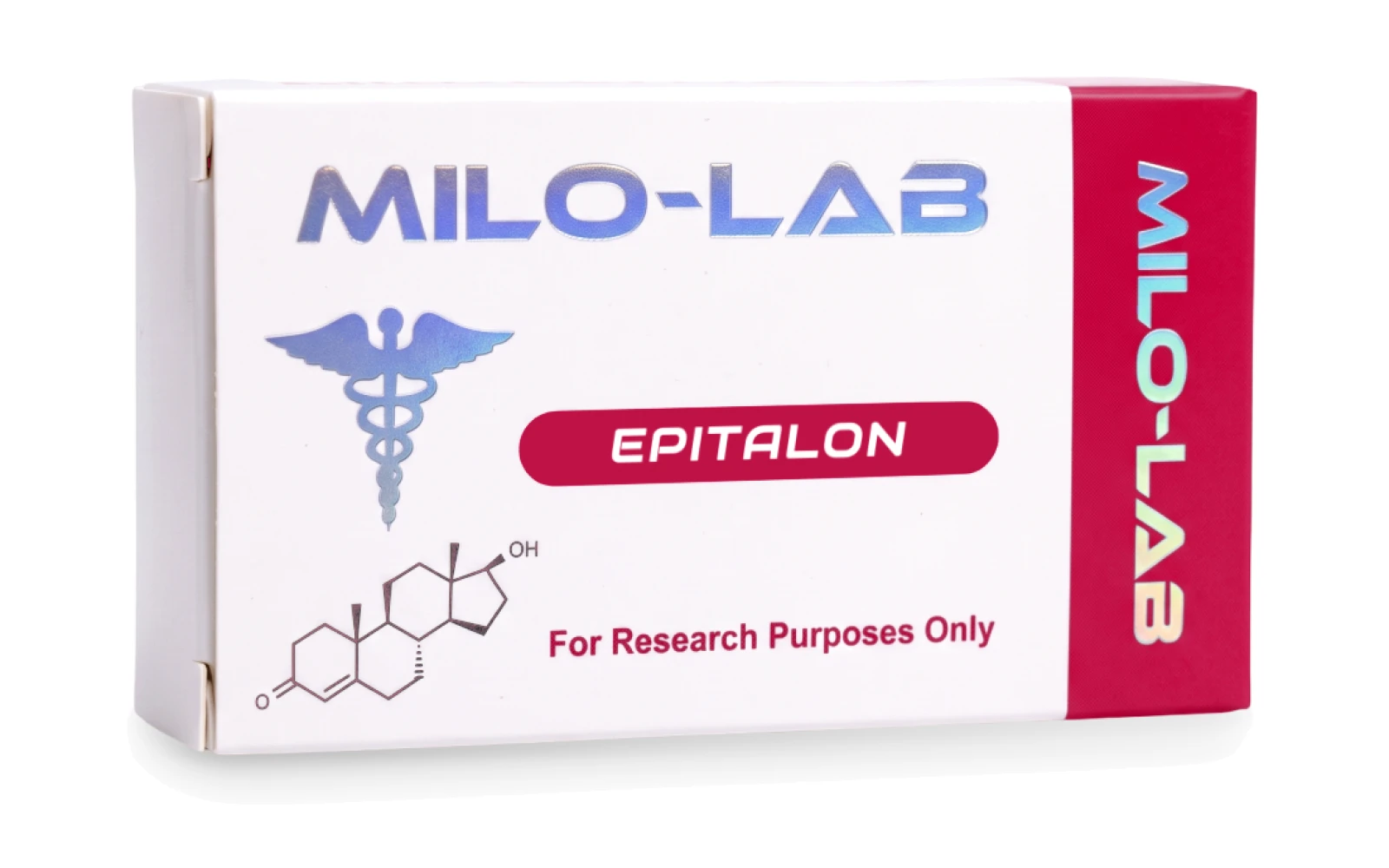
Epitalon
Epitalon (epithalon) is a synthetic Ala-Glu-Asp-Gly tetrapeptide studied in telomerase (hTERT) expression and pineal gland gene-regulation research.
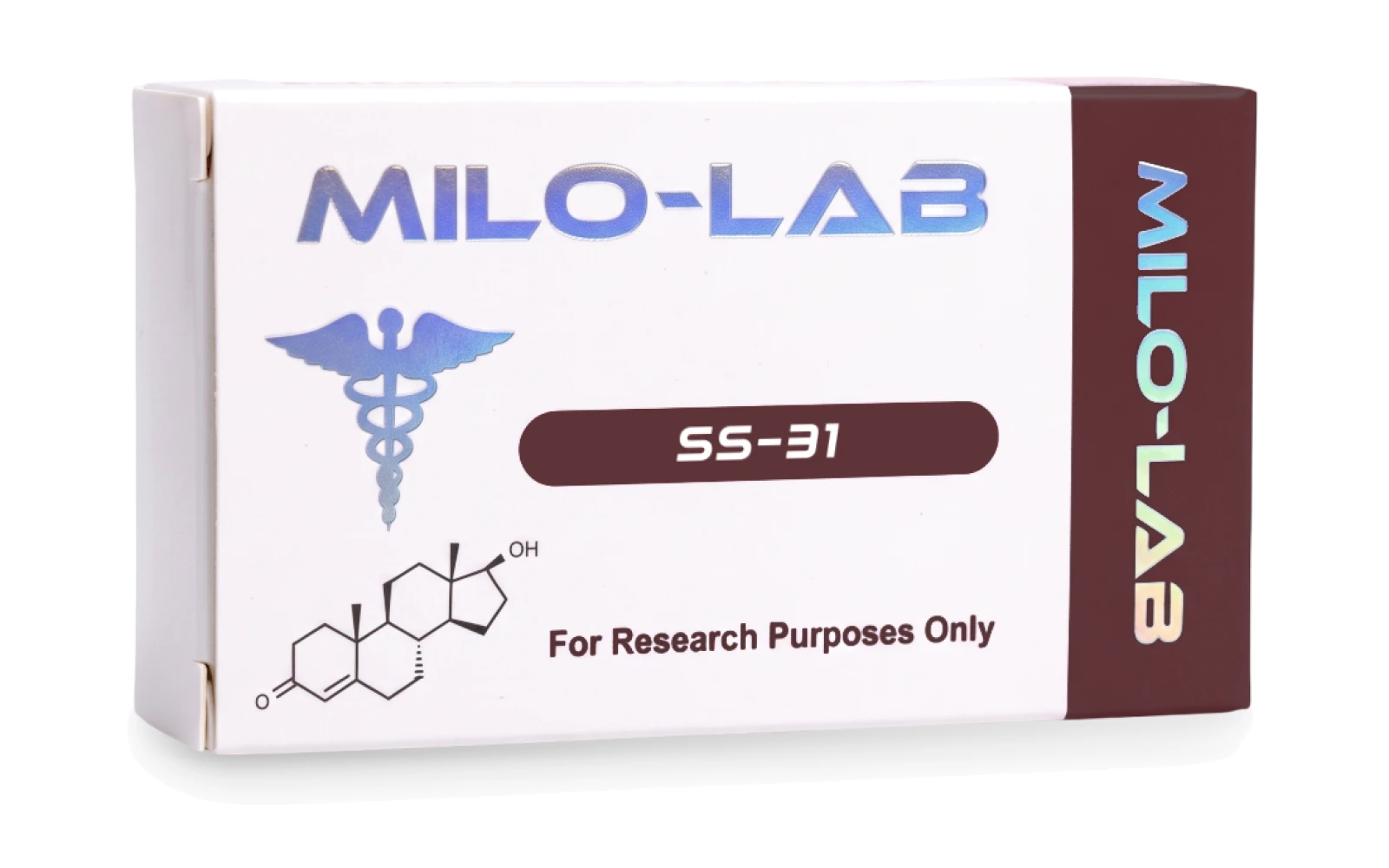
SS-31
SS-31 (elamipretide) is a mitochondria-targeted tetrapeptide that binds cardiolipin in the inner mitochondrial membrane.
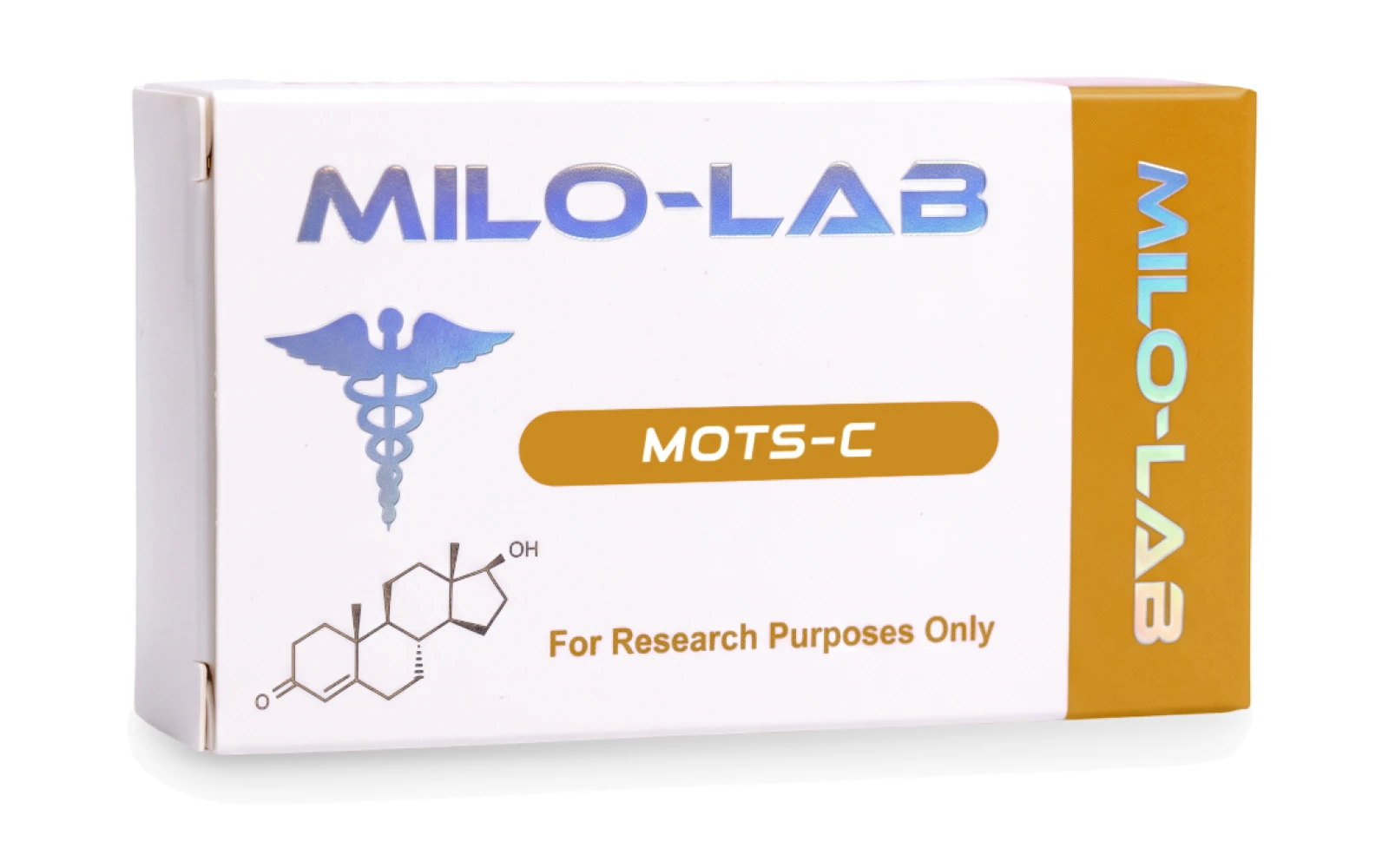
MOTS-c
MOTS-c is a 16-amino-acid mitochondrial-derived peptide encoded in the 12S rRNA gene, studied for AMPK pathway signalling in cell models.
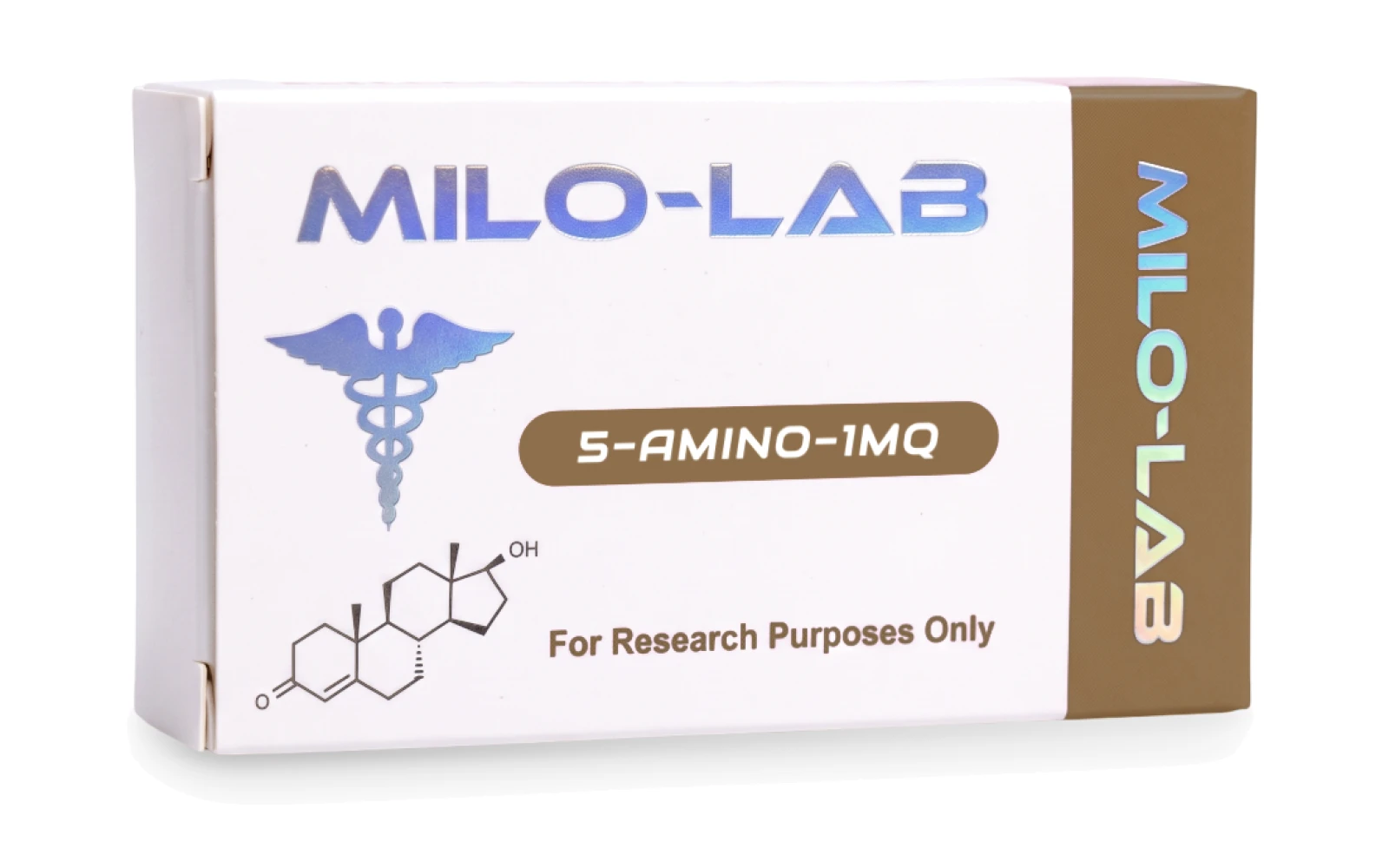
5-Amino-1MQ
5-Amino-1MQ is a small-molecule inhibitor of nicotinamide N-methyltransferase (NNMT), studied in cell models of NAD+ and S-adenosylmethionine (SAM) metabolism.
Research Tools